
Understanding Sports Broadcasting
Definition and Scope
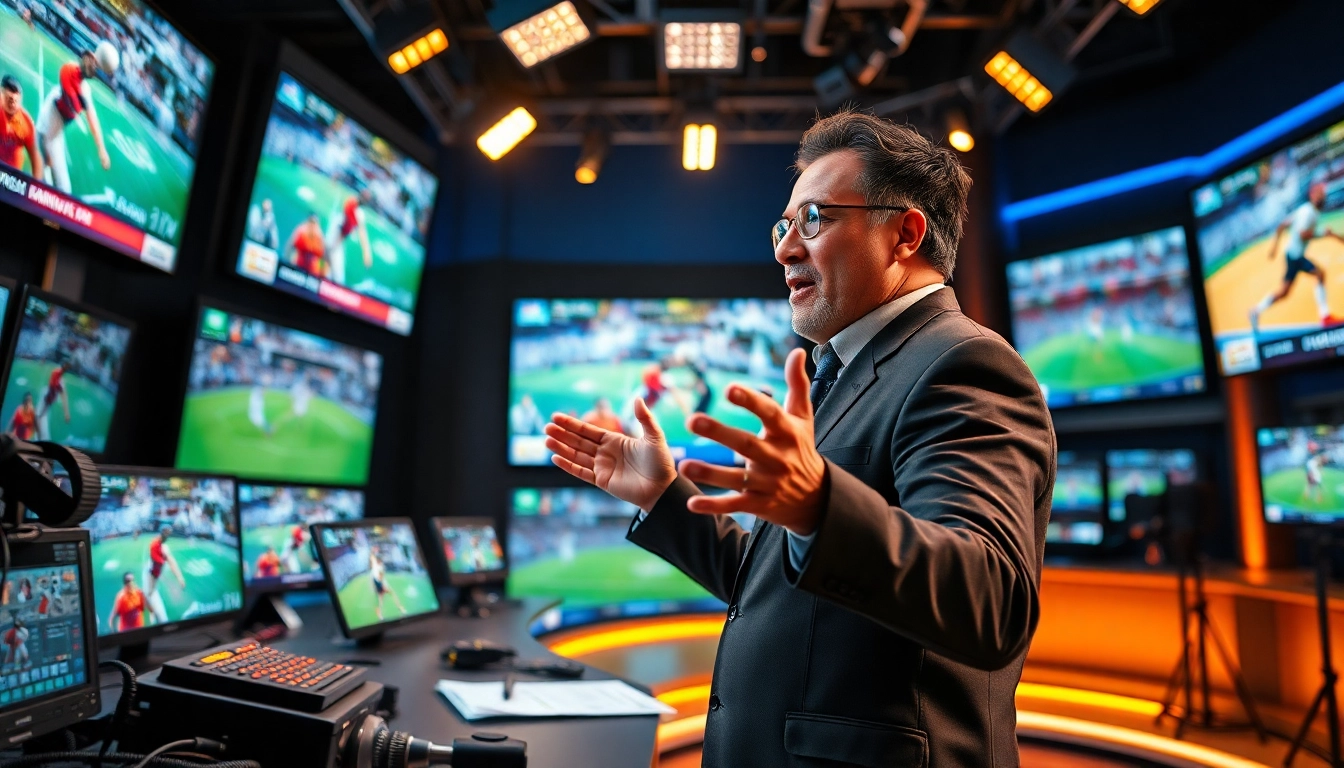
Sports Broadcasting is the process of transmitting live sports events, highlights, commentary, and analyses through various media platforms, including television, radio, and digital streaming services. It serves to entertain and inform audiences worldwide, bridging the gap between sports entities and fans. The scope of sports broadcasting encompasses everything from local high school competitions to major international tournaments such as the Olympics and FIFA World Cup. As the demand for real-time access has increased, sports broadcasting also embraces technological advancements, offering features like interactive streaming and multidimensional viewing experiences. Through Sports Broadcasting, audiences engage with their favorite teams and athletes in unprecedented ways.
History and Evolution of Sports Broadcasting
The origins of sports broadcasting date back to the early 20th century when radio stations began broadcasting live reports of sporting events. The first-ever sports broadcast is said to have taken place in 1921, featuring a boxing match. By the 1930s, sports events had begun to gain regular airtime on television, revolutionizing how audiences consumed live sports. The landmark event of 1939, the first-ever televised baseball game, marked the inception of sports broadcasting as we know it today.
With the emergence of cable television in the 1980s, sports broadcasting flourished. Channels dedicated to sports programming became commonplace, further broadening the audience base. The introduction of satellite broadcasting in the 1990s expanded global reach, enabling fans to access live coverage of events regardless of geographic barriers. The rise of digital and social media in the 21st century further transformed the landscape, allowing for more interactive content and real-time engagement between broadcasters and audiences. Today, platforms like streaming services and social networks have made sports broadcasting more accessible than ever.
Importance in Modern Sports Industry
Sports broadcasting plays a pivotal role in the sports industry. It generates significant revenue through advertising, subscriptions, and licensing agreements. Broadcasting rights for major sporting events command billions of dollars, enabling sports organizations to invest in infrastructure, player development, and fan engagement initiatives. Moreover, sports broadcasting helps build brand loyalty by providing platforms for athletes and teams to connect with their fans, fostering community and enthusiasm. This symbiotic relationship between sports broadcasting and the sports industry enhances consumer experience and engagement.
Key Skills for Sports Broadcasting
Communication and Presentation Skills
Effective communication is the cornerstone of successful sports broadcasting. Broadcasters must articulate their thoughts clearly and concisely while maintaining an engaging demeanor. Presentation skills are equally essential, as broadcasters are often the face of the events they cover. Whether delivering commentary during a match or conducting interviews with athletes, the ability to connect with audiences through verbal and non-verbal communication is paramount. Training in public speaking, media literacy, and on-camera presence can enhance these skills significantly.
Research and Analysis Techniques
Thorough research is vital for any sports broadcaster. Broadcasters must be well-informed about the teams, athletes, and historical contexts of the events they cover. This necessitates the use of various research tools and methods, including statistical analysis, trend monitoring, and data visualization. Modern broadcasters often rely on analytical software and digital databases to gather up-to-date information, enabling them to provide deeper insights during broadcasts. This analytical lens helps them deliver content that resonates with both casual viewers and hardcore fans alike.
Technical Proficiency in Broadcasting
In an age where technology continually evolves, broadcasters need a solid understanding of the equipment and tools used in broadcasting. Familiarity with cameras, microphones, and broadcasting software enhances the quality of the broadcast. Additionally, knowledge of post-production processes allows broadcasters to contribute to highlight reels and social media content effectively. Continuous professional development in the latest broadcasting technology, including virtual reality and augmented reality experiences, is also crucial for staying competitive.
Trends in Sports Broadcasting
Streaming and Digital Innovations
The shift from traditional broadcasting to digital streaming services marks a significant trend in sports broadcasting. Platforms like ESPN+ and DAZN have transformed how sports fans consume content. Audiences now have the flexibility to watch live events on-demand, allowing for a more personalized viewing experience. Sepculation around blockchain and cryptocurrency integration into streaming platforms has emerged, which could redefine content ownership and monetization models in sports broadcasting.
Audience Engagement Strategies
Engagement is a key focus for sports broadcasters. This involves understanding audience preferences and using various strategies to boost interaction. Incorporating live polling during broadcasts, Q&A sessions, and social media integration allows audiences to participate in the broadcasting experience actively. Advanced analytics help broadcasters tailor content to specific demographics, ensuring they provide meaningful and relevant coverage that resonates with their viewers.
International Broadcasting Dynamics
As sports continue to grow in popularity globally, international broadcasting presents unique challenges and opportunities. Different countries have varying regulations, cultural perceptions of sports, and viewer preferences, making it essential for broadcasters to adapt their strategies accordingly. Localization of content, bilingual broadcasting, and partnerships with local networks enable broadcasters to reach wider audiences while respecting cultural nuances.
Challenges in Sports Broadcasting
Competition and Market Saturation
The surge in platforms offering sports content has led to fierce competition among broadcasters. Market saturation can dilute viewership and result in declining advertising revenues. To stand out, broadcasters must focus on unique storylines, interactive content, and superior production quality. Engaging niche audiences and diversifying content offerings, such as esports, can provide opportunities in an oversaturated market.
Ethical Considerations in Reporting
Ethical dilemmas frequently arise in sports broadcasting, particularly regarding the portrayal of athletes and sensitive issues such as injury reporting or mental health. Broadcasters must navigate these minefields with integrity, striving to balance entertaining content with responsible journalism. Establishing clear guidelines around ethical reporting and having robust editorial oversight can help mitigate these challenges.
Navigating Technology Changes
Rapid advancements in technology necessitate that broadcasters continually adapt to new tools and methodologies. This can be challenging, especially for smaller networks with limited resources. Ongoing training and establishing partnerships with technology providers can help broadcasters stay at the forefront of emerging technologies. Recognizing trends sooner—not later—can offer a competitive edge in this fast-paced industry.
Future of Sports Broadcasting
Predictions for Emerging Technologies
Looking ahead, emerging technologies like artificial intelligence, virtual reality, and augmented reality are poised to revolutionize sports broadcasting. AI could enhance personalization, delivering tailored content to viewers based on preferences and viewing habits. Virtual reality can provide immersive experiences that transport fans into the heart of the action, while augmented reality can enrich broadcasts with real-time data overlays. Broadcasters who embrace these technologies can create unparalleled viewer experiences.
Shifts in Audience Preferences
As the digital landscape evolves, so too do audience preferences. Younger generations tend to favor mobile content and short-form videos over traditional broadcasts. Thus, sports broadcasters need to adapt their content strategies accordingly. Multichannel approaches—incorporating platforms like TikTok, Instagram, and YouTube—can help reach these audiences effectively. Focusing on creating engaging, bite-sized content alongside traditional broadcasts will be essential to attract and retain viewers.
Opportunities for New Broadcasters
While established networks dominate the sports broadcasting landscape, new entrants also have significant opportunities. With lower barriers to entry due to affordable technology and streaming platforms, startups can carve their niche by focusing on underserved markets or innovative content formats. Additionally, smaller, localized events can offer a platform for new broadcasters to showcase their ability to engage communities, thus expanding their presence in the industry.
Frequently Asked Questions
1. What is sports broadcasting?
Sports broadcasting involves the live transmission of sports events through television, radio, or online platforms, enabling fans to watch and engage in real-time.
2. How has technology transformed sports broadcasting?
Technology has shifted sports broadcasting to digital platforms, facilitating streaming services, real-time analytics, and interactive features that enhance viewer experiences.
3. What skills are necessary for sports broadcasters?
Essential skills include communication, research, technical proficiency, and the ability to engage audiences through compelling storytelling and presentation.
4. What are the current challenges in sports broadcasting?
Challenges include increased competition, ethical reporting dilemmas, and keeping pace with rapid technological changes within the industry.
5. What does the future hold for sports broadcasting?
Emerging technologies like AI and VR promise to transform sports broadcasting, while shifting audience preferences require broadcasters to adapt to digital and mobile content strategies.